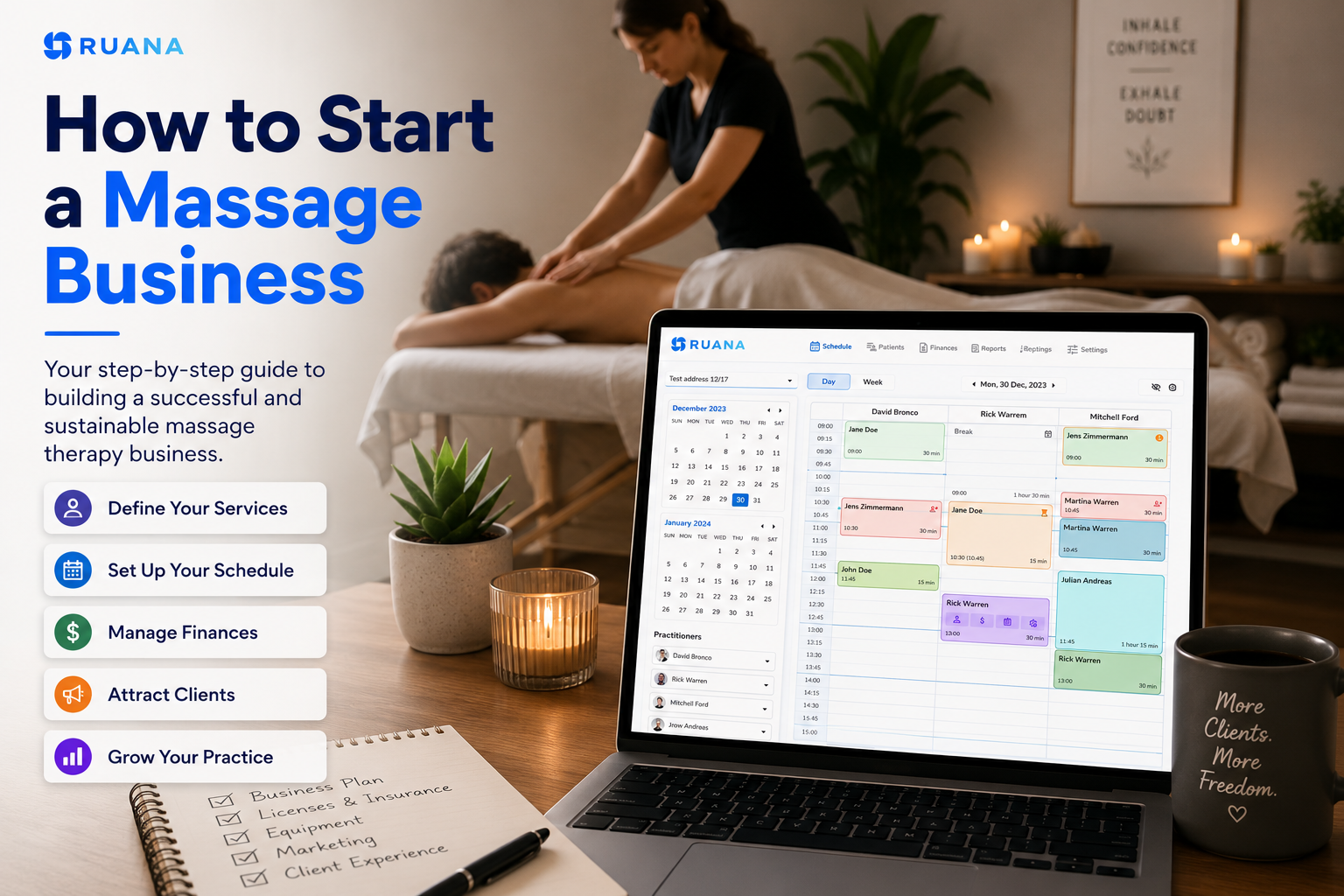
How to Start a Massage Business: 9 Steps to Launch a Practice in 2026
08.06.26
Many massage therapists eventually reach a point where they consider working independently rather than for a spa, clinic, or wellness center. While the transition can create more freedom and growth opportunities, it also introduces new responsibilities that go far beyond delivering great treatments.
Knowing how to start a massage business involves more than finding clients and booking appointments. From licensing and pricing to scheduling, documentation, and daily operations, the decisions made early on often determine how smoothly the business runs later.
The opportunity is certainly there. According to the U.S. Bureau of Labor Statistics, employment of massage therapists is projected to grow 15% between 2024 and 2034, significantly faster than the average for all occupations. Moreover, roughly 24,700 job openings are expected during that period, proving the continued demand and interest in wellness, pain management, and preventive care.
Whether you’re launching a solo practice, opening a small clinic, or transitioning from employee to business owner, we’ve summed up the nine practical steps that cover everything from business planning and legal setup to client acquisition, software, and long-term growth.
After talking with massage therapists who have started their own practices, one thing becomes clear quickly: the work begins long before the first appointment. Most early challenges are practical, from choosing the right setup and pricing services properly to keeping client records, schedules, intake forms, and payments organized from day one.
The sections below break down each step in more detail, helping you move from business idea to your first paying clients with a clear plan in place.
Step 1: Choose Your Business Model and Specialty
One of the first decisions you’ll make when starting a massage business is determining who you want to serve and how you want to operate. While it may be tempting to offer every type of massage to every potential client, successful practices often grow by focusing on a specific audience, treatment style, or problem they solve.
Choosing a specialty affects everything that follows, including your pricing, equipment needs, treatment environment, and long-term growth opportunities.
Finding Your Niche in the Massage Industry
Consider what sets your practice apart. Will you focus on pain management for athletes? Prenatal and postpartum care? Corporate chair massage? Integrative wellness combining multiple modalities?
A clear niche can help you:
Differentiate your practice from competitors
Attract the right clients more consistently
Build expertise and credibility in a specific area
Create more focused marketing messages
Common Massage Business Models
Think about your practice model as well. Different business models come with different costs, scheduling requirements, and growth potential.
Solo Practice
Many massage therapists begin by operating independently from a dedicated treatment room or small studio. This model offers full control over pricing, scheduling, and client experience.
Shared Wellness Space
Renting a room inside an established wellness center, chiropractic office, or multidisciplinary clinic can reduce startup costs and create opportunities for referrals from other healthcare professionals.
Mobile Massage Business
Mobile massage services bring treatment directly to clients at home, in hotels, or at workplaces. This model requires less investment in office space but often involves additional travel time and logistics.
Home-Based Massage Practice
Operating from home can lower overhead expenses significantly. Before choosing this option, verify local zoning requirements, licensing regulations, and insurance requirements for home-based businesses.
Multi-Therapist Clinic
Some practice owners plan for growth from the beginning and build a clinic that includes multiple therapists. While this approach requires more planning and investment, it creates opportunities to increase capacity without personally performing every session.
Step 2: Research Your Market and Competition
Take your time to understand the market you plan to enter.
The goal here is simple: determine whether there is enough demand for your services, identify your competitors, and find opportunities they may be overlooking.
Understand Your Local Competition
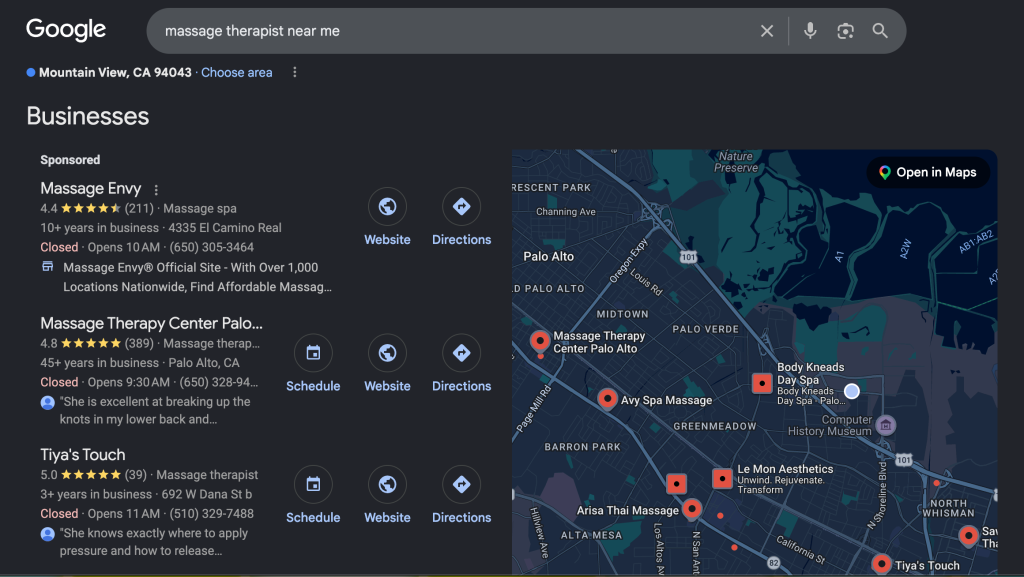
You can start by researching other massage businesses within your service area. Look beyond their websites and pay attention to client reviews, service menus, booking availability, pricing, and positioning.
Review the practices already serving your target market and ask questions such as:
What services are they known for?
Which specialties appear most common?
How do they position themselves online?
What do clients praise most in reviews?
What complaints appear repeatedly?
💡The objective isn’t to copy others, but to identify gaps and opportunities where you can stand out and offer better value to potential clients.
Research Pricing in Your Area
Pricing research helps you establish realistic expectations and avoid undercharging from the beginning.
Research average session rates for different massage types in your area – 60-minute sessions typically range from $70 to $150, depending on location, specialty, and therapist experience.
Instead of focusing only on competitor pricing, evaluate the complete client experience being offered. Factors such as therapist credentials, location, convenience, online booking, treatment environment, and specialty expertise often influence what clients are willing to pay.
Your pricing should reflect both your market and the value you provide.
Step 3: Create a Simple Business Plan
Your business plan shouldn’t be a 30-page document. For most massage therapists, this document aims to provide a practical roadmap to guide decisions during the first year of operation.
Start by outlining the essentials:
Your target clients
Services and specialties
Pricing structure
Startup budget
Monthly expenses
Revenue goals
Marketing plan
Growth objectives
The process itself often reveals gaps that are easier to fix before launch than after clients start booking appointments.
Plan Your Client Acquisition Strategy
Many massage businesses struggle because they focus heavily on setup and very little on client acquisition.
Before opening your doors, identify how you plan to attract your first clients. Common strategies include:
Creating and optimizing a Google Business Profile
Building referral relationships with chiropractors, physical therapists, trainers, and wellness providers
Encouraging reviews from early clients
Running introductory offers for first-time visitors
Maintaining an active local presence through social media and community events
Even a small number of consistent referral sources can provide a steady stream of bookings during the early stages of growth.
Think About Operations Early
Many therapists focus on treatment skills and marketing but overlook the systems needed to run the business efficiently.
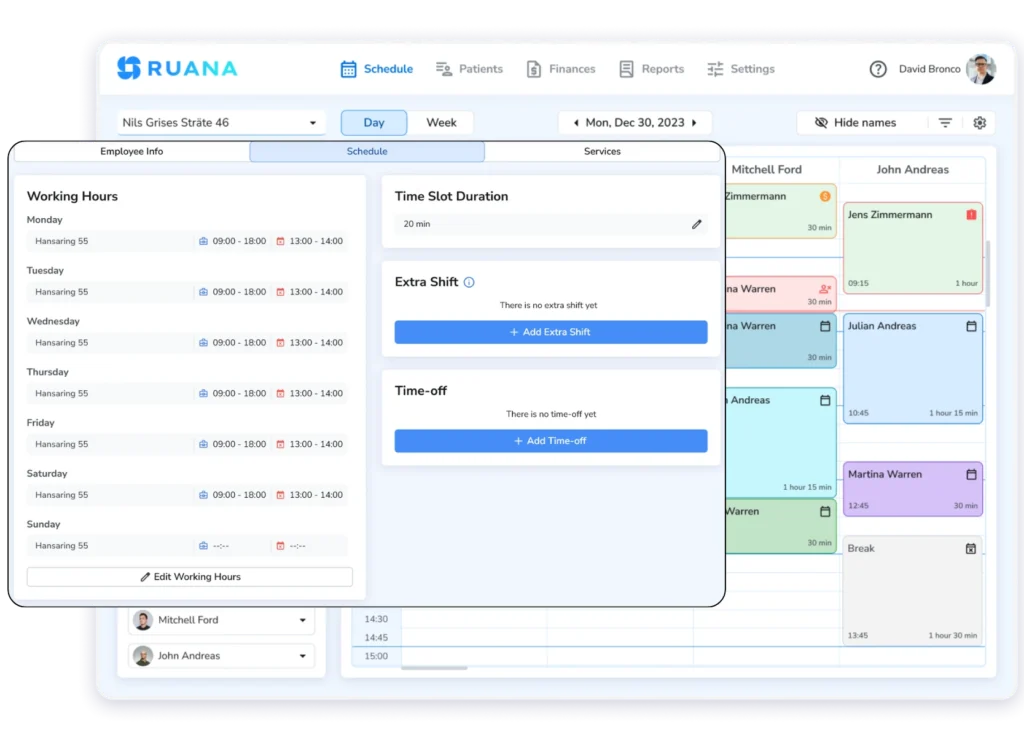
Consider how you’ll handle scheduling, intake forms, client records, SOAP notes, reminders, and billing before your calendar becomes busy. Putting these workflows in place early can prevent administrative bottlenecks later.
Many practice owners choose an all-in-one platform such as Ruana to manage these tasks from a single system rather than combining multiple disconnected tools as the practice grows.
Step 4: Choose Your Business Name and Build Your Brand
Brand identity is a part of your virtual business card, meaning that’s how potential clients understand who you serve and the type of experience they can expect.
Our suggestion is to start with a business name that’s easy to remember and relevant to your services. Before making a final decision, verify that the business name, website domain, and social media handles are available.
Create a Consistent Professional Presence
Your branding should remain consistent across every client touchpoint, including:
Website
Social media profiles
Business cards
Intake forms
Appointment confirmations
Email communications
Consistency builds trust and makes your business appear more established from the beginning.
Build a Website That Converts Visitors Into Clients
For many massage therapists, the website becomes the primary source of new bookings.
Besides keeping the structure simple and focused on potential clients, ensure the key scheduling and intake processes are easy to complete.
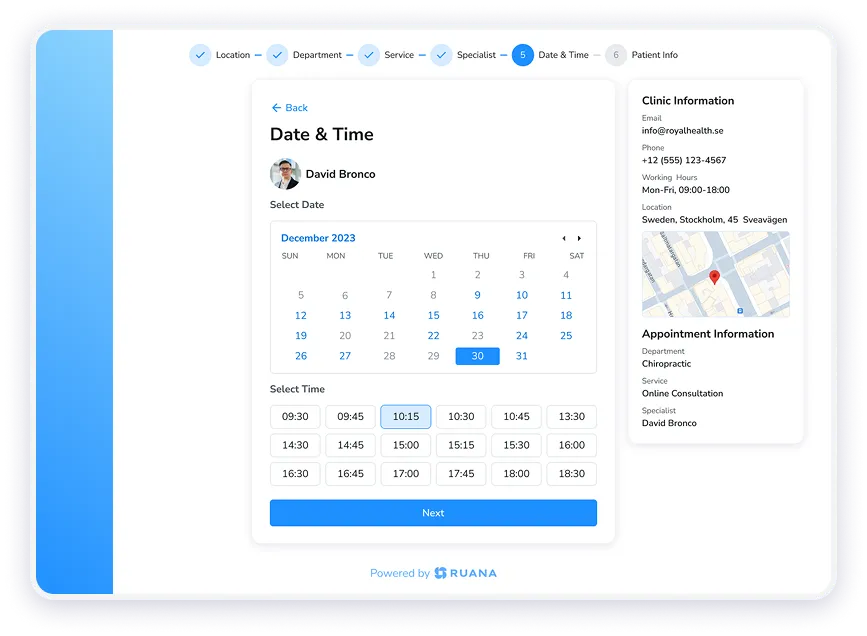
A modern massage website should allow clients to view availability, request or book appointments, complete intake forms, and receive confirmations with minimal effort. Removing unnecessary steps creates a smoother client experience while reducing administrative work behind the scenes.
As your practice grows, having scheduling, client records, intake forms, and appointment communications connected through a single workflow can save significant time and help maintain a more organized operation.
Step 5: Handle Legal Requirements and Professional Credentials
Before accepting your first paying client, make sure your business is operating legally and professionally.
Requirements vary by state and municipality, but most massage therapists will need a valid massage therapy license, business registration, insurance coverage, and any permits required for their chosen practice location.
Understand the Difference Between Professional and Business Licensing
A massage therapy license allows you to legally provide massage services. A business license allows you to legally operate a business.
Many new practice owners assume one automatically covers the other, but in most locations, they are separate requirements. Check your state massage board and local government regulations before launching.
Protect Yourself With Insurance
Depending on your business model, you may also need:
General liability insurance
Property insurance
Workers’ compensation insurance (if hiring staff)
Commercial auto coverage for mobile massage services
Step 6: Secure Funding and Set Up Your Finances
Launching a massage business does not always require a large investment, but it does require a realistic understanding of your expenses and cash flow.
Create a startup budget that includes equipment, supplies, licensing fees, insurance, marketing, software, and several months of operating expenses. This gives you a clearer picture of how much capital you’ll need before opening.
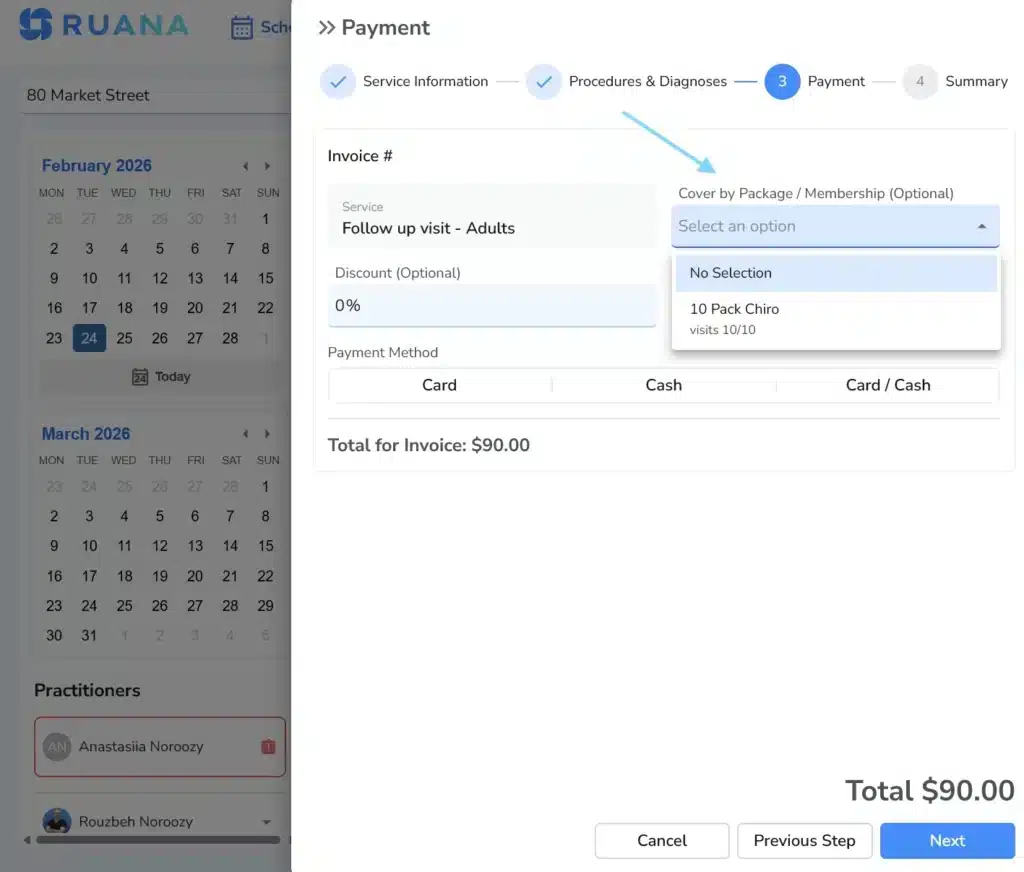
We also advise establishing reliable processes for invoices, payments, client records, appointment tracking, and financial reporting from the beginning. Many massage therapists manage these workflows through a single practice management platform, reducing administrative work and keeping financial and client information organized in one place.
Step 7: Set Up Your Treatment Space
The quality of your treatment space can influence client satisfaction just as much as the treatment itself. Clients should feel comfortable, safe, and relaxed from the moment they arrive.
At a minimum, most massage therapists will need:
A professional massage table
Linens and blankets
Bolsters and positioning supports
Massage oils or lotions
Storage for supplies
Cleaning and sanitation products
While it may be tempting to minimize upfront costs, investing in quality equipment often improves both client comfort and therapist longevity.
Step 8: Set Up Your Scheduling and Client Management Systems
Many massage therapists begin with paper forms, spreadsheets, and manual appointment tracking. While this may work initially, these processes often become difficult to manage as client volume increases.
What to Look for in Massage Therapy Software
The ideal solution should help manage the core activities of your practice from a single location.
Important features include:
Online booking
Appointment scheduling
Automated reminders
Digital intake forms
Client records
SOAP notes
Billing and invoices
Reporting and business insights
Having these tools connected can reduce duplicate work and create a smoother experience for both practitioners and clients.
Also, consider simplifying the client journey by creating smooth workflows for online appointment booking, intake forms, automated confirmations and reminders, and digital access to invoices and visit information.
This reduces paperwork, shortens check-in times, and helps practitioners spend more time treating clients instead of handling administrative tasks.
Step 9: Develop Your Marketing Strategy and Launch
Now that the operations are in place, the next challenge is attracting and retaining clients.
Start by creating and optimizing your Google Business Profile with:
Accurate contact information
Business hours
Service descriptions
Photos of your practice
Client reviews
A well-maintained profile can become one of your most valuable sources of new bookings.
Create a Simple Marketing System
Rather than relying on occasional promotions, build a repeatable marketing routine that keeps your practice visible. This can include asking satisfied clients for reviews after appointments, maintaining a small email list, sharing useful educational content, posting practice updates on social media, and encouraging referrals from existing clients.
The goal is to make marketing part of your weekly operations, not something you only do when the schedule slows down. Small, consistent actions often produce better long-term results than large campaigns that are difficult to maintain.
💡Recommended Reading
Although massage therapy and chiropractic practices have different audiences and service models, many client acquisition and retention strategies overlap. For additional marketing ideas, explore our chiropractic marketing guide, which covers practical approaches to local visibility, referrals, reviews, and long-term client growth.
Common Mistakes New Massage Business Owners Make
When asking yourself “how to start a massage business?”, a number of challenges and mistakes can easily be overlooked.
The good news is that most early mistakes are preventable. By understanding the common obstacles massage business owners face, you can make better decisions from the beginning, avoid unnecessary setbacks, and build a stronger foundation for long-term growth.
Underpricing Services to Attract Clients
Many new massage therapists set their prices lower than competitors in an attempt to fill their schedules quickly. Not only is this a direct path to therapist burnout, but it can also result in poor business performance.
Underpricing your services can attract clients who are primarily focused on discounts rather than long-term relationships.
So, instead of competing solely on price, calculate your actual business costs and position your services based on the value you provide. Factors such as experience, specialization, convenience, client experience, and treatment quality often have a greater influence on client decisions than small price differences.
Trying to Manage Everything Manually
Trying to save on internal processes isn’t the best strategy.
Many therapists begin with paper forms, spreadsheets, handwritten notes, and manual appointment tracking. While this may work with a small number of clients, these processes become increasingly difficult to manage as the business grows. Administrative tasks can quickly consume time that could otherwise be spent treating clients or developing the practice.
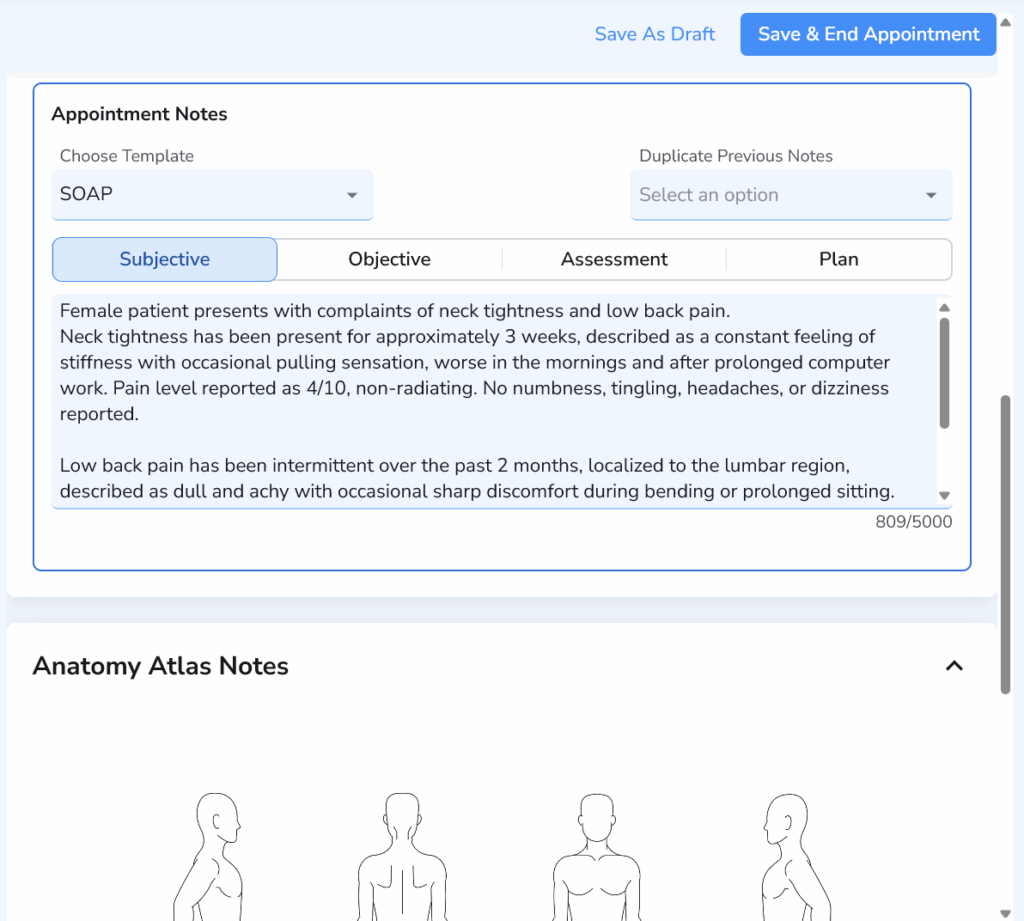
Organized digital workflows help manage stuff like intake forms, massage therapy SOAP notes, and billing much more easily and with less stress.
Document patient visits using traditional SOAP notes with a clean, distraction-free interface.
Focusing Too Much on New Clients and Not Enough on Retention
Many business owners spend most of their energy trying to attract new clients while overlooking the people already visiting the practice. This often leads to inconsistent revenue and a constant need to replace clients who never return after their first session.
Long-term growth is usually built through client retention. Encourage rebooking before clients leave, follow up after appointments when appropriate, maintain consistent service quality, and create an experience that clients want to return to. A smaller group of loyal clients who book regularly can provide more stability than a large number of one-time visitors.
Conclusion
So, “how to start a massage business?” The answer includes more than clinical expertise. With the right planning, systems, and client acquisition strategy, it’s possible to build a practice that is both rewarding and sustainable.
Focus on creating a strong foundation early, and you’ll be better prepared to grow with confidence as your client base expands.
How much does it cost to start a massage business?
Startup costs vary depending on your location and business model. A solo massage therapist operating from a rented treatment room may launch for a few thousand dollars, while a dedicated studio or multi-therapist clinic typically requires a larger investment.
What software do massage therapists need?
Most massage therapists benefit from software that helps manage scheduling, online booking, client records, intake forms, SOAP notes, reminders, and billing. Using a single system to manage these workflows can save time, reduce administrative work, and create a smoother experience for clients.
Do I need a license to start a massage business?
In most states, yes. You’ll typically need a valid massage therapy license to provide services legally, along with any business licenses or permits required by your state or local municipality. Requirements vary by location, so always verify regulations with your state massage board and local authorities.
About the Authors
★★★★★4.9 · 329 Reviews
Rouzbeh NoroozyChiropractor & Co-Founder · Palmer West · UC Berkeley · 14 Years of ExperienceRouzbeh Noroozy is a chiropractor with 14 years of clinical experience and co-founder of Ruana practice management software. He completed his undergraduate studies at the University of California, Berkeley and graduated from the renowned Palmer College of Chiropractic West in California. As a practicing clinician and clinic owner, he understands firsthand the administrative challenges practices face — and which digital tools genuinely help streamline day-to-day operations.
Anastasiia NoroozyMedical Graduate & Co-Founder · 8 Years of ExperienceAnastasiia Noroozy is a medical graduate and co-founder of Ruana with 8 years of experience working directly with patients at the clinic in Cologne. She manages the day-to-day flow of the practice and knows every patient-facing process from the inside out — from intake and scheduling to follow-up care. Her hands-on clinical and operational experience directly shapes how Ruana is built to work in the real world.
Our team will review your inquiry and get back to you as soon as possible.
Privacy Settings
To provide the best experiences, we use technologies like cookies to store and/or access device information. Consenting to these technologies will allow us to process data such as browsing behavior or unique IDs on this site. Not consenting or withdrawing consent, may adversely affect certain features and functions.
Functional
Always active
The technical storage or access is strictly necessary for the legitimate purpose of enabling the use of a specific service explicitly requested by the subscriber or user, or for the sole purpose of carrying out the transmission of a communication over an electronic communications network.
Preferences
The technical storage or access is necessary for the legitimate purpose of storing preferences that are not requested by the subscriber or user.
Analytics
The technical storage or access that is used exclusively for statistical purposes.The technical storage or access that is used exclusively for anonymous statistical purposes. Without a subpoena, voluntary compliance on the part of your Internet Service Provider, or additional records from a third party, information stored or retrieved for this purpose alone cannot usually be used to identify you.
Marketing
The technical storage or access is required to create user profiles to send advertising, or to track the user on a website or across several websites for similar marketing purposes.
To provide the best experience for our practitioners, we use cookies to personalize content, analyze our traffic, and support our marketing efforts. By clicking 'Accept', you consent to our use of these technologies. You can manage your preferences at any time.
Functional
Always active
The technical storage or access is strictly necessary for the legitimate purpose of enabling the use of a specific service explicitly requested by the subscriber or user, or for the sole purpose of carrying out the transmission of a communication over an electronic communications network.
Preferences
The technical storage or access is necessary for the legitimate purpose of storing preferences that are not requested by the subscriber or user.
Analytics
The technical storage or access that is used exclusively for statistical purposes.The technical storage or access that is used exclusively for anonymous statistical purposes. Without a subpoena, voluntary compliance on the part of your Internet Service Provider, or additional records from a third party, information stored or retrieved for this purpose alone cannot usually be used to identify you.
Marketing
The technical storage or access is required to create user profiles to send advertising, or to track the user on a website or across several websites for similar marketing purposes.