How to Start a Chiropractic Cash Practice in 11 Steps
21.07.26
Starting a chiropractic practice has never been simple, but today’s environment has pushed many chiropractors to rethink the traditional insurance-first model.
Lower reimbursement rates, growing administrative work, delayed payments, and frequent claim denials have made it harder for small practices to stay profitable while delivering quality patient care.
That shift explains why more chiropractors wonder how to start a chiropractic cash practice. Charging patients directly gives practitioners greater control over pricing, removes much of the insurance paperwork that consumes staff time, and improves cash flow because payments are collected at the time of service instead of weeks later.
A cash model is not automatically easier, though. Patients still need to see the value of care, pricing has to make financial sense, and the practice needs efficient systems from day one. A successful cash practice depends on careful planning long before the first appointment appears on the calendar.
This guide walks through every major step of building a chiropractic cash practice, from choosing the right business model and setting prices to creating patient workflows, selecting software, and preparing for launch.
A chiropractic cash practice is a clinic where patients pay directly for the services they receive instead of relying primarily on insurance reimbursement. Payment may happen at the end of each visit, through prepaid treatment packages, memberships, or wellness plans, depending on how the practice is structured.
Many chiropractors choose this model because it reduces the amount of time spent on claim submissions, insurance verification, denials, and reimbursement disputes. Staff can spend more time helping patients and less time managing administrative tasks.
That said, success depends on building trust with patients.
People paying out of pocket usually want to understand exactly what they are paying for, how treatment supports their goals, and why continued care is recommended.
Cash-Only vs. Cash-Based vs. Hybrid Practices
Although these terms are often used interchangeably, they describe different business models.
Model
How It Works
Best For
Cash-only practice
Patients pay directly for every visit. Insurance claims are generally not accepted.
Chiropractors seeking the simplest administrative workflow.
Cash-based chiropractic practice
Most revenue comes from direct patient payments, although patients may submit claims independently if appropriate.
Practices that want flexibility while minimizing insurance involvement.
Hybrid practice
The clinic accepts insurance for some patients while offering cash services, memberships, or wellness plans to others.
Existing practices gradually transitioning from insurance to cash practice.
Many chiropractors who begin exploring a cash-based chiropractic practice eventually realize there is no single correct model. The right approach depends on local demand, patient demographics, competition, and personal business goals.
What a Cash Practice Does Not Mean
Choosing a cash model does not mean abandoning professional standards or clinical documentation.
Patients still expect clear treatment plans, thorough records, informed consent, transparent pricing, and consistent communication.
State regulations still apply.
Business licensing requirements do not change because payments come directly from patients.
A cash model also does not eliminate financial planning. In fact, pricing becomes even more important because every dollar of revenue comes directly from patient decisions.
Finally, a cash practice should never rely on aggressive sales tactics. Long-term success comes from delivering measurable value, educating patients about their care, and creating an experience that people genuinely want to return to.
Is a Cash-Based Chiropractic Practice Right for You?
A cash model offers more independence, but it also shifts more responsibility onto the practice owner.
Instead of asking whether cash practices are “better,” ask whether they fit your business goals, your patient population, and the kind of clinic you want to build over the next five to ten years.
Cash Practice Readiness Checklist
Before moving forward, answer these questions honestly.
Do you understand your local market and what patients are willing to pay?
Can you clearly explain the value of your services without relying on insurance coverage?
Have you calculated how many patient visits you need each month to remain profitable?
Do you have enough financial reserves to support the practice during its first months?
Have you created a written chiropractic payment policy?
Do you know the legal and regulatory requirements in your state?
Do you have a plan for attracting new patients consistently?
Are your workflows designed around convenience, from booking through follow-up?
If you currently accept insurance, have you planned how to communicate the transition to existing patients?
The more “yes” answers you have, the smoother your launch is likely to be.
How to Start a Chiropractic Cash Practice in 11 Steps
Launching a successful practice involves far more than finding office space and buying adjustment tables. Every decision affects profitability, patient experience, and long-term growth.
The following twelve steps create a practical roadmap for building a sustainable chiropractic cash practice.
1. Choose Your Cash Practice Model
Start by deciding how patients will pay for care.
Some chiropractors operate entirely as a cash-only chiropractic practice, collecting payment at every visit. Others combine single visits with memberships, prepaid treatment plans, family packages, or wellness subscriptions.
Think about the experience you want patients to have. A membership model may encourage ongoing maintenance care, while individual visits provide maximum flexibility. Many practices eventually combine several pricing options to serve different patient needs.
Choose a model that supports your clinical philosophy instead of copying what another clinic is doing.
2. Research Your Local Market
No pricing strategy works in isolation.
Study other chiropractors in your area, but look beyond their advertised prices. Review the services they offer, appointment availability, patient reviews, target audience, and overall positioning.
Pay attention to other wellness providers too. Massage therapists, physical therapists, functional medicine clinics, and fitness studios may serve similar patients.
The goal is not to become the cheapest option. It is to understand where your practice fits within the local healthcare landscape.
3. Write a Chiropractic Cash Practice Business Plan
A business plan gives structure to decisions that might otherwise be made on instinct.
Define your target patient, projected revenue, operating expenses, marketing strategy, pricing model, startup budget, and financial goals for the first year.
Your chiropractic cash practice business model should explain how revenue will be generated, what services produce the highest margins, and how patient retention supports long-term profitability.
“How will this practice remain financially healthy after opening day?”
4. Calculate Startup Costs and Break-Even Volume
Many chiropractors underestimate how long it takes to reach stable patient volume.
List every startup expense, including:
Office lease
Equipment
Licensing
Insurance
Technology
Furniture
Marketing
Initial working capital
Then calculate your monthly operating costs.
Knowing your break-even point changes how you think about pricing and scheduling. Instead of guessing how many appointments you need each week, you can estimate the patient volume required to cover expenses and generate profit.
5. Establish the Business and Protect the Practice
Choose the appropriate business structure based on local legal and tax requirements.
Obtain all necessary licenses, professional liability insurance, business insurance, and local permits before accepting patients.
Review employment agreements, consent forms, privacy documentation, and patient policies early. Small administrative details become much harder to fix after the practice is already busy.
6. Build a Cash Practice Compliance Plan
Running a cash practice does not reduce compliance responsibilities.
Documentation standards remain just as important. Privacy regulations still apply. Financial records should stay organized, and patients deserve complete transparency around fees and payment expectations.
A written chiropractic payment policy helps eliminate misunderstandings before they become problems. Patients should know exactly when payment is expected, how cancellations are handled, whether refunds are available, and what happens if appointments are missed.
Strong compliance builds trust and protects the practice as it grows.
7. Design Your Services and Pricing Structure
One of the biggest questions when starting a chiropractic practice is how much to charge. Looking at competitors is a reasonable place to begin, but it should not be where the decision ends.
Your pricing needs to reflect the value you provide and the cost of running the practice. Rent, equipment, software, continuing education, staff salaries, and taxes all influence what your services need to generate. If your fees only match the clinic down the street, you may find yourself working a full schedule without building a healthy business.
A clear pricing structure also makes life easier for patients. They should know exactly what a visit costs before they book. Hidden fees, changing prices, or unclear treatment packages create hesitation.
As your practice grows, review your chiropractic cash practice pricing regularly. Expenses change, patient demand changes, and your pricing should evolve with the business rather than stay frozen for years.
8. Choose the Right Technology
Technology should remove work, not create more of it.
Many chiropractors start with separate tools for online booking, patient forms, documentation, reminders, payments, and scheduling. That approach usually works for a while. As patient volume grows, switching between platforms becomes part of the daily routine. Staff spend more time searching for information, while practitioners duplicate work that has already been done somewhere else.
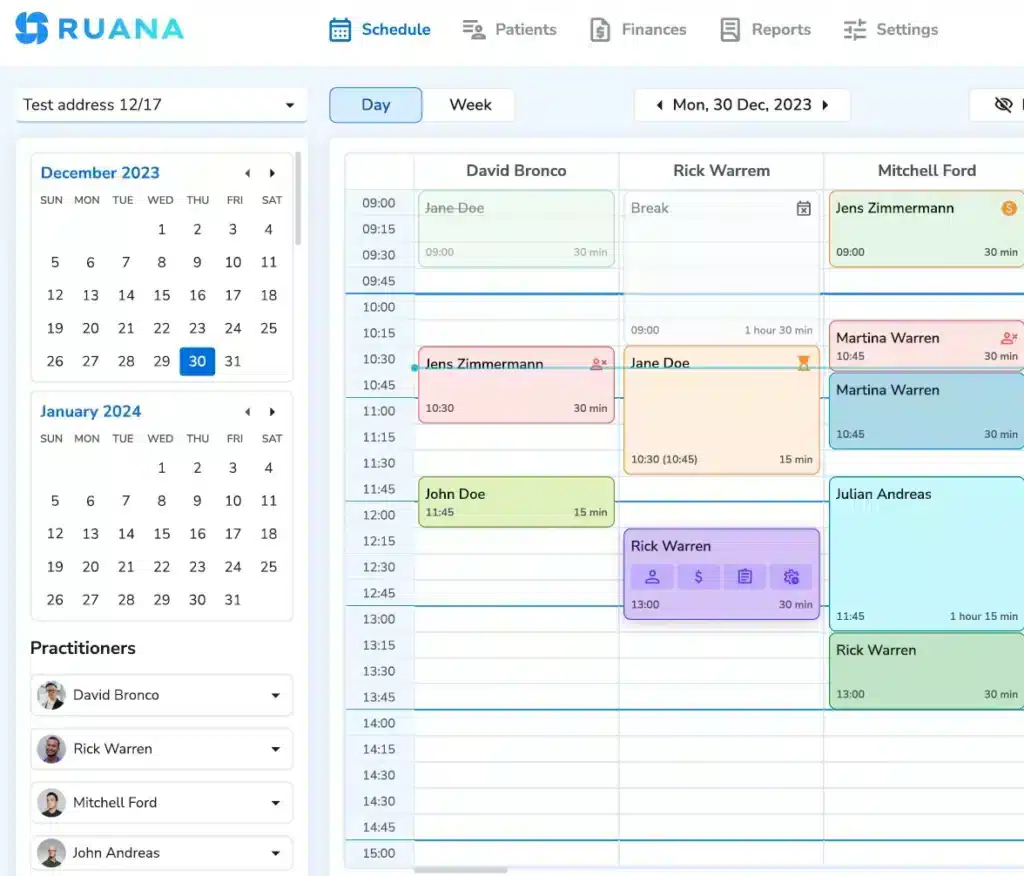
A connected practice management system keeps the patient journey in one place. Online booking flows directly into digital intake forms. Appointment reminders reduce missed visits. SOAP notes and body charts stay attached to the patient’s record, making documentation easier to review at future appointments. Scheduling, communication, and patient history work together instead of living in separate applications.
For chiropractors building a new practice, choosing cash practice software for chiropractors early often saves far more time than replacing disconnected systems a year later. The goal is not simply to digitize paperwork but to create workflows that remain efficient as the clinic grows.
Even the best clinic needs a reliable way to attract new patients.
Many chiropractors assume referrals will carry the practice from the beginning. Referrals are valuable, but they take time to build. New practices usually need a chiropractic marketing plan for several acquisition channels working together while reputation develops.
Start with the basics.
Create a professional website that explains who you help, what conditions you treat, how patients can book, and what they can expect during their first visit. Claim and optimize your Google Business Profile, encourage satisfied patients to leave reviews, and keep your contact information consistent across online directories.
Patient education through SEO for chiropractors deserves attention too. Helpful articles, videos, newsletters, and social media content build trust long before someone books an appointment. Instead of selling appointments, answer the questions prospective patients are already searching for.
10. Plan the Transition From Insurance to Cash
For established clinics, transitioning from insurance to cash practice is usually more challenging than opening a brand-new clinic.
Existing patients need time to understand why the practice is changing. If the announcement focuses only on eliminating insurance paperwork, many people will assume the change benefits the clinic rather than them.
Instead, explain what patients gain.
Fewer administrative delays.
More transparent pricing.
Appointments focused on care instead of insurance requirements.
Greater flexibility in treatment planning.
Whatever approach you choose, communicate early and consistently. Patients generally respond better when they understand the reasons behind the decision instead of hearing about it at checkout.
11. Launch and Track Performance
Opening day is only the beginning.
The first few months generate valuable information about pricing, scheduling, patient behavior, and daily operations. Paying attention to those patterns allows you to improve the practice before small issues become expensive habits.
Review key performance indicators every month, including:
New patient volume
Repeat visit rate
Average revenue per visit
Patient retention
Cancellation and no-show rates
Referral sources
Monthly profit
These numbers provide a much clearer picture than revenue alone. A practice with fewer visits but stronger retention and higher profitability is often in a better long-term position.
Learning how to run a cash chiropractic practice means adjusting the business as you gather real data rather than assuming your original plan was perfect.
A 90-Day Chiropractic Cash Practice Launch Plan
Opening a practice involves dozens of moving pieces.
We’ve broken the work into manageable phases to make the process much easier to organize.
Timeline
Primary Focus
Key Actions
Days 1-30: Validate and Plan
Confirm the business model and financial foundation.
Research competitors, define your target patient, write the business plan, estimate startup costs, choose your pricing model, and complete licensing requirements.
Days 31-60: Build the Practice
Prepare operations before patients arrive.
Secure office space, purchase equipment, implement software, create patient forms, write policies, test booking workflows, and build your website.
Days 61-90: Market and Launch
Begin attracting patients and refining operations.
Launch marketing campaigns, collect patient reviews, build referral partnerships, monitor KPIs, and improve workflows based on early patient feedback.
💡Trying to complete everything at once often leads to rushed decisions. A phased approach keeps priorities clear while reducing unnecessary stress before opening.
Common Mistakes When Starting a Chiropractic Cash Practice
Every new practice makes adjustments along the way. Don’t try to avoid every mistake. Instead, try catching the expensive ones early enough to fix them.
Setting Prices Based Only on Competitors
Matching another clinic’s prices may seem like the safest decision, but those numbers reflect someone else’s business, not yours. Their overhead, patient volume, market position, and financial goals may be completely different.
Calculate your own costs first, then compare them with local pricing. Competitive rates matter, but they should support a sustainable business rather than simply matching the market.
Assuming Cash Means Compliance-Free
Some chiropractors mistakenly believe that removing insurance also removes administrative responsibilities.
Documentation, informed consent, privacy regulations, financial records, and state licensing requirements remain just as important in a cash practice.
Giving Discounts Without a Written Policy
Occasional discounts can quickly become inconsistent if nobody knows when they apply.
Family pricing, prepaid packages, student discounts, promotional offers, and membership savings should all follow written guidelines.
Running the Practice Through Disconnected Tools
Booking in one application, documentation in another, reminders somewhere else, and patient forms buried in email may seem manageable at first.
Eventually, every extra system creates another place to search for information. Administrative work grows alongside patient volume.
Using one connected platform keeps scheduling, patient records, documentation, reminders, and communication working together, giving both staff and practitioners a much clearer picture of every patient’s journey.
Conclusion
A successful chiropractic cash practice is built long before the first patient walks through the door. Pricing, workflows, technology, patient communication, and financial planning all shape how the business performs during its first year.
The cash model can give you greater control over your practice, but it also requires thoughtful planning. As the practice grows, continue reviewing your pricing, patient journey, and business performance. Small improvements made consistently often have a bigger impact than major changes made once.
A well-designed cash-based chiropractic practice evolves alongside its patients, making each stage of growth stronger than the last.
About the Authors
★★★★★4.9 · 329 Reviews
Rouzbeh NoroozyChiropractor & Co-Founder · Palmer West · UC Berkeley · 14 Years of ExperienceRouzbeh Noroozy is a chiropractor with 14 years of clinical experience and co-founder of Ruana practice management software. He completed his undergraduate studies at the University of California, Berkeley and graduated from the renowned Palmer College of Chiropractic West in California. As a practicing clinician and clinic owner, he understands firsthand the administrative challenges practices face — and which digital tools genuinely help streamline day-to-day operations.
Anastasiia NoroozyMedical Graduate & Co-Founder · 8 Years of ExperienceAnastasiia Noroozy is a medical graduate and co-founder of Ruana with 8 years of experience working directly with patients at the clinic in Cologne. She manages the day-to-day flow of the practice and knows every patient-facing process from the inside out — from intake and scheduling to follow-up care. Her hands-on clinical and operational experience directly shapes how Ruana is built to work in the real world.
Our team will review your inquiry and get back to you as soon as possible.
Privacy Settings
To provide the best experiences, we use technologies like cookies to store and/or access device information. Consenting to these technologies will allow us to process data such as browsing behavior or unique IDs on this site. Not consenting or withdrawing consent, may adversely affect certain features and functions.
Functional
Always active
The technical storage or access is strictly necessary for the legitimate purpose of enabling the use of a specific service explicitly requested by the subscriber or user, or for the sole purpose of carrying out the transmission of a communication over an electronic communications network.
Preferences
The technical storage or access is necessary for the legitimate purpose of storing preferences that are not requested by the subscriber or user.
Analytics
The technical storage or access that is used exclusively for statistical purposes.The technical storage or access that is used exclusively for anonymous statistical purposes. Without a subpoena, voluntary compliance on the part of your Internet Service Provider, or additional records from a third party, information stored or retrieved for this purpose alone cannot usually be used to identify you.
Marketing
The technical storage or access is required to create user profiles to send advertising, or to track the user on a website or across several websites for similar marketing purposes.
To provide the best experience for our practitioners, we use cookies to personalize content, analyze our traffic, and support our marketing efforts. By clicking 'Accept', you consent to our use of these technologies. You can manage your preferences at any time.
Functional
Always active
The technical storage or access is strictly necessary for the legitimate purpose of enabling the use of a specific service explicitly requested by the subscriber or user, or for the sole purpose of carrying out the transmission of a communication over an electronic communications network.
Preferences
The technical storage or access is necessary for the legitimate purpose of storing preferences that are not requested by the subscriber or user.
Analytics
The technical storage or access that is used exclusively for statistical purposes.The technical storage or access that is used exclusively for anonymous statistical purposes. Without a subpoena, voluntary compliance on the part of your Internet Service Provider, or additional records from a third party, information stored or retrieved for this purpose alone cannot usually be used to identify you.
Marketing
The technical storage or access is required to create user profiles to send advertising, or to track the user on a website or across several websites for similar marketing purposes.